
Choosing Between Casement and Sash Windows For Your Home

24

Feb
2026
Posted By : Developer 0 Comment
choosing between casement and sash windows for your home (1)
Categories :Windows
Tags :  

Selecting the right window style for your home directly impacts your energy bills, property value, and daily comfort. Yet, many homeowners find themselves overwhelmed by the choice between casement windows and sash windows. Each window type operates differently, suits distinct architectural styles, and delivers varying levels of thermal insulation and ventilation. Making the wrong decision could mean living with draughty rooms, compromised period aesthetics, or unnecessarily high heating costs.

This article breaks down everything you need to know about both window types. We’ll review how each operates, compare their energy efficiency and security features, and help you determine which option best suits your property type, budget, and personal preference. Whether you’re renovating a Victorian terrace or fitting out a modern new build, understanding the key differences between casement, sash, and tilt and turn windows will help you to ensure you make an informed choice that enhances both the look and performance of your home.

Understanding Casement vs Sash Windows: Key Differences

The fundamental distinction between casement and sash windows is how they open and close. Casement windows open outwards on side-mounted hinges, swinging horizontally like a door, while sash windows feature movable panels that slide vertically within the window frame. This core mechanical difference results in significant variations in appearance, operation, and suitability across different property types.

Both modern casement windows and modern sash windows now benefit from advanced glazing technology, superior materials, and enhanced security features. However, their distinct operating mechanisms continue to influence their performance characteristics, maintenance requirements, and aesthetic impact on your property’s exterior.

How Casement Windows Work

Casement windows operate using hinges mounted on one side of the window frame, allowing the entire sash to swing open outwards. A handle-operated crank or lever mechanism engages multi-point locks that pull the window firmly against the frame when closed, creating a compression seal that minimises air infiltration.

This design allows casement windows to open fully, up to 100% of their total area, providing maximum ventilation and unobstructed views. The outward-opening action also means rain is directed away from the interior when windows are left partially open during light showers.

The mechanism’s simplicity makes casement windows particularly practical for hard-to-reach locations, such as above kitchen sinks or behind furniture. A single turn of the handle operates the entire system, making them accessible for users of all abilities.

How Sash Windows Work

Sash windows consist of two sliding panels, upper and lower sashes, that move vertically within the window frame. Traditional designs use a counterbalance system of weights, pulleys, and cords concealed within the frame to offset the sash weight, allowing windows to stay positioned at any height without slipping.

A double-hung sash window allows both the top and bottom panels to slide, enabling flexible ventilation control. You can raise the bottom sash for direct airflow, lower the top for passive ventilation, or adjust both the top and bottom sections to create cross-flow air circulation throughout the room.

Modern sash windows often replace traditional counterweights with spring balance systems, reducing maintenance requirements while maintaining smooth operation. The vertical sliding mechanism requires sufficient frame width, typically at least two feet, to accommodate the balance hardware and ensure proper function.

Visual and Architectural Differences

The visual impact of these window types differs substantially. Casement styles typically feature larger, uninterrupted glass panes with minimal horizontal obstructions, allowing more natural light into interiors. Sash windows traditionally incorporate glazing bars creating multiple smaller panes, producing the classic divided-light appearance associated with period properties.

From the exterior, casement windows sit flush within the wall opening when closed but project outward when open. Sliding sash windows remain entirely within the frame at all times, maintaining a flush external profile that suits the proportions of Georgian and Victorian façades.

The choice between these window styles often depends on your property’s architectural style. Period homes in conservation areas typically require sash windows to maintain street-scene coherence, while contemporary builds benefit from the sleek profiles of modern casement windows. Both options now come in timber windows, uPVC, and aluminium frames to suit various architectural styles and budget requirements.

Performance Comparison: Energy Efficiency, Security, and Functionality

When comparing sash and casement windows on practical performance, there are measurable differences in thermal efficiency, ventilation capability, and security. These factors directly affect your daily comfort, energy bills, and peace of mind.

Modern manufacturing techniques have significantly improved both window types, with double glazed and triple-glazed options available across casement and sash designs. However, fundamental differences in their opening mechanisms create inherent performance variations worth understanding before making your selection.

The best choice depends on prioritising which performance characteristics matter to you most, whether that’s maximum airflow for a stuffy bedroom, superior draught proofing for an exposed living room, or traditional aesthetics for a listed property.

Energy Efficiency and Draught-Proofing

Casement windows typically deliver superior energy efficiency due to their compression seal design. When closed, the outward-swinging sash presses firmly against the frame, creating a tighter seal that minimises air leakage. Vinyl casement windows commonly achieve U-values around 0.30, while timber casement versions reach approximately 0.28 with proper installation.

Sash windows present slightly higher U-values, around 0.32 for vinyl and 0.30 for timber, primarily because the vertical sliding mechanism creates potential gaps at the meeting rail where two panes overlap. However, modern sash windows incorporate improved weatherstripping, brush seals, and precision manufacturing that significantly reduce these traditional weaknesses.

Draught-proofing casement windows is more straightforward due to fewer moving parts, while sash designs require careful attention to multiple sliding tracks. Both benefit substantially from low-E coatings, argon gas fills, and insulated glass units. In cold climates, casement windows’ airtightness typically reduces heating demand more reliably, though well-specified modern sash windows can achieve competitive thermal insulation performance.

Ventilation and Natural Light

For maximum ventilation, casement windows open horizontally to their full extent, capturing side breezes effectively and providing maximum airflow across the entire opening. This makes them ideal for kitchens, bathrooms, and any space requiring rapid air exchange.

The benefits of sash windows for ventilation lie in their precise control. Opening just the top section creates passive ventilation that draws warm air out while minimising draughts at occupant level. Adjusting both sliding panels simultaneously generates efficient cross-flow circulation. However, practical ventilation area remains limited compared to fully-open casements.

Natural light entry favours casement windows, which support larger uninterrupted single panes and wider sightlines. Sash windows’ central meeting rail and traditional muntin bars create visual divisions that slightly reduce light transmission, though many homeowners consider this classic look an aesthetic benefit rather than a compromise.

Security and Maintenance

Security casement windows benefit from multi-point locking systems that engage at multiple points around the frame, even when partially open for ventilation. This provides enhanced protection compared to traditional sash window locks positioned only at the meeting rail, though modern sash designs now incorporate similar multi-point systems meeting PAS 24 security standards.

Maintenance requirements differ significantly. The benefits of casement windows include easy access to both interior and exterior glass surfaces – simply swing open for cleaning. Fewer moving parts mean less potential for mechanical failure, with durable hinges lasting decades with minimal attention.

Traditional timber sash windows require more regular maintenance to prevent sticking sashes, cord deterioration, and potential rot in exposed components. However, tilt-in sash designs have addressed cleaning accessibility concerns, while spring balances reduce the friction and wear associated with older pulley systems. The complexity of casement windows for maintenance is generally lower, making them preferable for homeowners prioritising minimal upkeep.

Choosing the Right Window Type for Your Property

Selecting between casement and sash windows depends on balancing practical requirements with aesthetic preferences and budget. Neither option is universally superior. The right window style depends entirely on your property’s character, location, and your priorities for performance versus appearance.

Planning regulations can influence this decision for many homeowners. Listed buildings and properties within conservation areas typically require like-for-like replacement with traditional sash windows, while modern developments face no such restrictions. Understanding these constraints early prevents costly specification changes later.

Cost considerations extend beyond initial purchase price to include long-term energy savings, maintenance expenses, and potential property value impacts. A window that seems economical upfront may prove more expensive over its lifetime when all factors are considered.

Why Choose Cosyhomes Windows?

Choosing the right window style is only half the decision. The quality of manufacture, specification, and installation is what ultimately determines performance, longevity, and value. At Cosyhomes Windows, we specialise in supplying and installing high-performance windows tailored to UK homes.

We offer a full range of casement and sash windows in uPVC, timber, and aluminium, all manufactured to meet modern energy efficiency and security standards. Our windows are designed to reduce heat loss, minimise draughts, and improve acoustic insulation, helping to lower energy bills while increasing everyday comfort.

Every installation is carried out by experienced, in-house fitters rather than subcontractors. This ensures consistent workmanship, correct fitting, and compliance with current building regulations. We also provide honest guidance on planning constraints, including conservation areas and listed buildings, helping homeowners avoid costly mistakes.

From initial survey through to final installation, Cosyhomes Windows focuses on clear communication, accurate lead times, and durable products built for the British climate.

Speak to Us for Expert Advice

If you are deciding between casement and sash windows, professional advice can save time, money, and future frustration. Cosyhomes Windows offers free, no-obligation consultations to assess your property, discuss your priorities, and recommend the most suitable window solution.

Whether you are upgrading a modern home, restoring a period property, or replacing inefficient existing windows, our team can help you specify the right style, material, and glazing for long-term performance and visual appeal.

Contact Cosyhomes Windows today to arrange your free survey and receive tailored advice on casement and sash windows designed for your home.

Conclusion

The choice between casement windows and sash windows ultimately depends on your property’s architectural character, your performance priorities, and your budget constraints. Casement windows deliver superior energy efficiency through their compression seals, provide maximum ventilation capability, and require minimal maintenance – making them ideal for modern homes and practical-minded homeowners.

Sash windows offer authentic period aesthetics that cannot be replicated, controlled ventilation flexibility, and compliance with heritage requirements essential for listed buildings and conservation areas. Modern sash windows now incorporate improved thermal insulation, enhanced security features, and easier maintenance than their traditional counterparts, narrowing the performance gap with casement alternatives.

Both window types can deliver excellent results when properly specified and professionally installed. The key lies in matching window style to property type, prioritising the performance characteristics that matter most for your situation, and investing in quality products with appropriate glazing and hardware specifications.

For personalised advice on the right window style for your specific property, consult our experienced window specialists who can assess your requirements, navigate planning considerations, and recommend specifications that balance aesthetics, performance, and value for your individual circumstances.

Frequently Asked Questions

Are sash windows more expensive than casement windows?

Yes, sash windows typically cost more than equivalent casement designs due to their more complex sliding mechanism, counterbalance systems, and manufacturing requirements. However, price differences vary based on materials, glazing specifications, and customisation. Premium casement windows can exceed basic sash options.

Which window type is more energy efficient?

Casement windows generally offer better energy efficiency due to their compression seal design, creating a tighter seal when closed. They typically achieve lower U-values than comparable sash windows. However, modern sash windows with quality weatherstripping and double glazing can achieve competitive thermal performance.

Can I install casement windows in a conservation area?

This depends on your specific local planning authority requirements. Many conservation areas mandate like-for-like replacement with traditional sash windows to maintain street-scene character. Always check with your planning authority before specifying window replacements in protected areas, as unauthorised changes may require costly reversal.

Which windows are easier to clean and maintain?

Casement windows are generally easier to maintain, with fewer moving parts and full access to both glass surfaces when opened. Traditional sash windows require more attention to prevent sticking and cord deterioration, though modern tilt-in designs significantly improve cleaning accessibility.

Do sash windows provide better security than casement windows?

Modern versions of both window types can achieve equivalent security standards, including PAS 24 certification. Casement windows traditionally offered better security through multi-point locking, but contemporary sash windows now incorporate similar systems. Security depends more on hardware specification than window type.

How To Spot Failed Double Glazing And Decide On Repair Or Replacement

24

Feb
2026
Posted By : Developer 0 Comment
upvc vs composite doors pros cons and considerations
Categories :Windows
Tags :  

Key Takeaways

  • Most double glazing lasts 20–30 years, but seals, frames, and hardware can fail sooner if poorly installed or maintained.
  • Signs of failure include condensation between panes, draughts, leaks, cracks or chips in glass, stiff windows, and rising energy bills.
  • Prompt action – repair or replacement preserves comfort, energy efficiency, and safety.

What Is Double Glazing and How Long Should It Last?

Double glazing consists of two panes of glass separated by a sealed cavity, often filled with argon gas, within a uPVC, aluminium, or timber window frame. This design slows heat loss and reduces condensation formation and outside noise.

Modern double glazing typically lasts 20–35 years, though older double-glazing units or poorly installed double-glazed windows may fail sooner. Double glazing failure usually starts with seal or window frame issues rather than the glass itself.

There are clear signs if your double glazing is no longer energy efficient, and in this guide, we explain how to tell if double glazing has failed and whether repair or replacement is the best solution.

Signs of Failed Double Glazing

Condensation and Misting Between the Panes

Condensation trapped inside the double-glazing unit and misted windows are clear indicators that the sealed unit has failed. Unlike surface condensation, moisture between double-glazing panes cannot be wiped away and reduces insulation. This can lead to increased energy bills as the temperature inside is reduced due to the windows not keeping heat in your home.

Solution: In most cases, the sealed double-glazing unit can be replaced without removing the full window. A double-glazing specialist should be consulted.

Draughts and Cold Spots

Double-glazed windows that let in cold air or create cold spots indicate a failing weather seal or window frames. This is one of the noticeable signs of double-glazing failure.

Home checks:

  • Run your hand around the window frame edges on a breezy day to feel draughts
  • Hold a tissue or a lit candle (carefully) near the seals
  • Compare the temperature near the windows to the rest of the room

If you consistently feel draughts, this often requires the repair or replacement of the window unit.

Leaks and Water Ingress

Water leaking around windows is one of the common signs of double-glazing failure.

Signs: damp patches, puddles on sills, water behind beading, leaks through frame joints.
Causes: failed sealant, blocked drainage channels, warped frames, or worn gaskets.

Prompt cleaning, resealing, or assessment by a double glazing specialist prevents rot, mould, and damage.

Cracks, Chips and Visible Glass or Frame Damage

Any visible damage affects safety and insulation.

Look for:

  • Hairline cracks, star-shaped marks, or noticeable chips in glass panes
  • Warped or misaligned sashes
  • Swollen timber or brittle uPVC

Causes: impacts, thermal stress, building movement, or ageing frames.

Damaged glass typically requires replacement of the sealed unit, while severe frame issues may mean that full replacement of double glazing is the only option.

Stiff, Jammed or Misaligned Windows and Doors

If windows or patio doors that once opened smoothly become consistently stiff, jam, or scrape on the frame, this can indicate underlying failure rather than simple wear.

Homeowner checks to perform:

  1. Check if the sash has dropped (larger gaps at the top than the bottom)
  2. See whether locking points still line up
  3. Note if you need to lift or force the handle to close
  4. Check whether the window unit sits square in the frame

Causes: worn hinges and friction stays, warped or twisted frames from age or heat, failed packers around the glass causing the sash to move, building movement throwing the frame out of square, and initial poor installation.

Minor issues can sometimes be eased with hinge adjustment and lubrication using silicone spray. However, persistent difficulty, especially combined with draughts or cracking, suggests the double-glazing unit is nearing the end of its useful life.

Forcing stiff handles or locks risks failure of locking mechanisms, affecting both security and the ability to close the window properly against weather conditions.

Causes of Double Glazing Failure

Even high-quality units are exposed to UV, temperature swings, wind, and rain, which gradually weaken seals and materials.

Common causes:

  • Ageing perimeter seal
  • Poor installation (gaps, missing packers, bad sealant)
  • Thermal stress (hot sun vs cold nights)
  • Manufacturing quality (older units or cheap imports)
  • Frequent use and general wear

Repair or Replacement

Not all failures require full window replacement.

Repair may be enough when:

  • Seals have failed, but the frame is intact
  • Hinges or locks need adjustment
  • Drainage channels need clearing

Replacement is better when:

  • Frames are warped, rotten, or heavily discoloured
  • Multiple units across the property are failing
  • Windows remain draughty, noisy, or cold despite maintenance
  • Upgrading for energy efficiency or EPC rating

Modern replacement double glazing with low-E coatings and argon gas delivers much better insulated glazing and reduces heat transfer, improving comfort and lowering energy bills.

Summary

Identifying how to tell if double glazing has failed is key to maintaining comfort, energy efficiency, and the safety of your home. Double glazing issues can range from condensation forming between two glass panes, draughts around the window frame, cracks in glass panes, or water leaking through the sealed unit. These tell-tale signs indicate a double-glazing failure and shouldn’t be ignored.

At Cosyhomes, our team of double glazing specialists provides expert double glazing services for inspection, repair, and replacement. Whether it’s replacing a blown sealed unit, fixing a weather seal inside a window unit, or upgrading to new double-glazed windows, we ensure your double-glazing panes deliver maximum insulated glazing, energy efficiency, and protection against cold air or water ingress.

With early detection and professional guidance, you can restore optimal performance, reduce higher energy bills, and prevent further damage to window frames and window glass. Cosyhomes makes it easy to identify clear signs of failure and decide whether repair or replacement is the only option for your home.

For peace of mind, comfort, and long-lasting performance, trust Cosyhomes for expert advice and quality double glazing solutions tailored to your home.

Frequently Asked Questions

How long should good-quality double glazing last?

Modern, well-installed double glazing in the UK typically lasts around 20–35 years before major issues appear. However, seals and hardware can need attention sooner in exposed or coastal locations, where salt-laden air and more heat cycling accelerate wear. Early detection of problems can extend the useful life through targeted repairs.

Is condensation on the inside of my windows always a sign of failure?

Condensation on the room-side pane is often due to indoor humidity from cooking, showers, or drying clothes indoors, combined with poor ventilation. This type of condensation occurs on the surface and can be wiped away. Only condensation between the window panes, which you cannot wipe from either side, reliably indicates a failed sealed unit requiring replacement.

Can I replace just the glass, or do I need a whole new window?

In many cases, you can replace only the sealed double-glazed unit (the glass) rather than the full window frame. This is usually the best option when the frame is still solid, square, and in good condition, but the unit has failed due to misting, condensation between panes, or reduced insulation.

A full window replacement is more likely to be needed if the frame is warped, rotten (timber), badly discoloured, cracked (uPVC), or if the window no longer sits correctly in the opening. A double glazing specialist can confirm whether a glass-only swap is possible after checking the frame alignment, drainage, and seals.

How urgent is it to fix failed double glazing?

Failed double glazing should be dealt with sooner rather than later, especially if you notice draughts, leaks, or moisture between panes. While a blown unit is not always an immediate safety risk, it can quickly lead to problems such as rising heating costs, colder rooms, damp patches around the frame, mould growth, or further damage to seals and surrounding materials.

If the issue involves cracked glass, water ingress, or difficulty locking the window securely, it becomes more urgent due to safety and security concerns. Early repair or sealed unit replacement is typically cheaper than leaving the problem to worsen and potentially requiring a full window replacement later.

How To Effectively Clean And Maintain Double Glazed Windows

20

Feb
2025
Posted By : Rachel Bownds 0 Comment
how to effectively clean and maintain double glazed windows (1)
Categories :Windows
Tags :  

Proper cleaning and maintenance of double glazed windows are essential to preserving their appearance, energy efficiency, and longevity. In this article, we will explore how to clean double glazed windows effectively, ensuring they remain in optimal condition for years to come.

Gather the Necessary Materials

Before you begin cleaning your double glazed windows, gathering the right tools and materials will help you achieve a glossy finish, free from unsightly streaks. Using gentle, non-abrasive supplies prevents damage to the glass and frames, ensuring they stay in top condition. Below is a list of cleaning items you’ll need to clean double pane windows inside and out:

  • Vacuum cleaner with a soft brush attachment – Ideal for removing dust and loose dirt inside from window sills and frames before cleaning.
  • Soft cloth or microfibre cloth – Use to gently wipe surfaces without leaving scratches or residue.
  • Bucket of warm soapy water – Loosens dirt and grime for effective cleaning.
  • Lint-free cloth – Ensures a streak-free shine when drying windows.
  • Mild washing-up liquid – Safe for glass, UPVC windows, and frames while effectively cutting through grease.
  • Squeegee with a soft blade – Removes excess water for a polished, professional finish.
  • Spray bottle – Helps evenly distribute cleaning solution on glass panes.
  • White vinegar or a homemade solution – Useful for removing stubborn stains without harsh chemicals.

Cleaning the Exterior

Regularly cleaning the exterior of your double glazed windows prevents a build-up of dirt and keeps them looking their best. Since outdoor surfaces are exposed to the elements, dust, debris, and grime can accumulate over time, affecting both aesthetics and functionality. Follow these steps to clean the exterior effectively:

  • Open the window and clean off dust and debris – Start by fully opening the window to access all areas. Use a soft-bristled brush to gently remove dirt from the glass, window hinges, and corners.
  • Brush off dust from the locking mechanism, hoovers, and handle – Keeping these components clean ensures smooth operation and prevents long-term damage caused by dirt build-up.
  • Use a vacuum cleaner for hard-to-reach areas – A vacuum with a brush attachment helps remove fine dust and debris from corners, tracks, and tight spaces.

Cleaning the Glass Surface

cleaning the glass surface

To maintain crystal-clear double glazed windows, it’s essential to use the right techniques and materials when cleaning the glass. Harsh chemicals and abrasive tools can damage the surface, so opt for gentle methods to achieve a streak-free shine. Follow these steps to clean double glazed windows for the best results:

  • Apply a cleaning solution to a microfibre cloth or soft sponge and use a circular motion to clean the glass – Use a spray bottle with a mild detergent or glass cleaner, or opt for a homemade solution with white vinegar and distilled water.
  • Avoid using abrasive brushes or materials that can scratch the glass – Wire wool, steel wool, and scouring pads should be avoided as they can cause permanent damage.
  • Use a squeegee to remove excess water from the glass surface – Start from the top and work your way down in smooth, even strokes to prevent streaks.
  • Gently wipe the glass surface with a soft cloth to remove any remaining streaks or marks – A lint-free or microfibre cloth will help buff the glass to a spotless finish.

Cleaning the Window Frame

Keeping your window frames clean not only enhances the overall look of your double glazed window frames but also helps maintain their durability. Follow these steps to clean your window frames safely and effectively:

  • Clean the window frames using a cloth and warm, soapy water – A simple mixture of mild detergent and warm water is effective for removing dirt and stains without damaging white UPVC. Avoid abrasive cleaners as these may damage window frames.
  • Use a non-abrasive cleaning cloth or sponge – Soft microfibre cloths or sponges work best to avoid scratching or damaging UPVC, wooden, or aluminium frames.
  • Dip and rinse the sponge or cloth in clean water before soaking it in soapy water again – This prevents dirt from being redistributed and ensures a thorough clean.
  • Avoid using scouring pads, wire wool, or rough sponges – Abrasive materials can scratch and degrade the frame’s finish over time.
  • Clean rubber seals with a soft cloth – Dirt buildup inside rubber seals can cause deterioration over time, so gently wiping them down helps maintain their flexibility and function.

Conclusion

Regular window cleaning and maintenance are key to preserving the longevity, appearance, and energy efficiency of double glazed windows. Keeping the glass and frames free from dirt ensures optimal insulation, better energy savings, and prevents long-term damage.

Using the right window cleaning products, supplies, and techniques helps protect the glass and frames from scratches and wear. Soft cloths, mild detergents, and proper drying methods keep windows spotless without damaging them.

With a little care, your double glazed windows will remain clear, functional, and efficient for years to come, enhancing both your home’s comfort and value. If you would like further expert advice regarding your double glazed windows, don’t hesitate to contact Cosyhomes Windows.

Drafty Windows: Causes and How to Prevent Them

16

Dec
2024
Posted By : Rachel Bownds 0 Comment
drafty windows causes and how to prevent them
Categories :Windows
Tags :  

Drafty windows are a common problem that can significantly affect home comfort and energy efficiency. During the colder months outside temperatures are lower and a drafty window allows cold air in and warm air out, making it harder to maintain a cosy home.

Beyond discomfort, these drafts can lead to a high heating bill as your heating system works overtime to compensate for the temperature loss. Addressing this issue is essential to keeping your home both comfortable and cost-efficient year-round. In this article, we look at common causes of draft windows, how to identify them, and how to fix drafty windows or whether window replacement is a better option.

What Are Drafty Windows and Why Do They Matter?

Drafty windows and doors or leaky windows are caused by gaps or poor seals that let outside air in and warm air out, causing drafts. This increases energy bills as heating or cooling systems work harder and can lead to moisture issues like condensation or mould. Fixing drafty windows to block drafts improves home comfort, increases energy savings, and protects your home from damage.

Common Causes of Drafty Windows

Poor Window Sealing

Deteriorated silicone caulking, or weatherstripping allows air to pass through gaps, leading to drafts. Regularly inspecting and replacing seals with quality materials can reduce energy loss and improve comfort.

Ageing Windows

Old windows often lack modern insulation and develop wear that leads to drafts. Upgrading to new windows that are more energy-efficient, with double glazing or better sealing technology, can drastically stop drafts, enhance insulation and reduce your energy bill.

Damaged or Warped Frames

Window frames can warp, develop small cracks, or rot over time, creating small gaps for drafts. Repairing or replacing damaged frames with durable materials like uPVC to create a tight seal ensures better insulation and longevity, preventing window drafts.

Single-Pane Glass

Single-pane windows lack insulation, making homes more prone to drafts. Replacement windows that are double-glazed prevents heat loss and improves thermal performance.

Gaps or Improper Installation

Poor installation can leave gaps around the window panes and frame, letting air in. Resealing or professionally reinstalling the window ensures a tight, draft-free fit, improving efficiency.

How to Identify Drafty Windows in Your Home

The Candle Test To Check Air Movement

Light a candle and move it around the edges of your window frame. If the flame flickers, it indicates air movement from a draft. This quick test is especially effective on windy days to pinpoint window gaps.

Visual Inspection

Check for cracks, gaps, or deteriorated caulking around the frame. Look for signs like daylight peeking through, which indicate drafts and require attention.

Feel for Air Leaks

Run your hand along the edges of the window to detect cold air or movement. This helps you quickly identify cold air coming in and where to seal windows.

Solutions for Preventing Drafty Windows

Re-Caulk and Replace Weatherstripping

Applying fresh caulk and replacing old weatherstripping can seal gaps and stop drafty windows. These cost-effective and easy fixes are quick and help insulate windows and stop window drafts.

Install Window Insulation Film

Insulating film adds an extra layer to reduce drafts and heat loss. It’s easy to apply and an affordable option to improve window insulation during colder months.

Upgrade to Energy-Efficient Windows

Replacing old windows with double or triple-glazed energy-efficient models significantly improves insulation. This upgrade reduces drafts, lowers energy costs, and enhances overall comfort.

Add Thermal Curtains or Blinds

Insulating curtains or blinds are an extra barrier against drafts, preventing cold air coming in and keeping warm air in. They are a stylish and practical way to improve window insulation.

Use Draft Stoppers or Window Inserts

A draft stopper or inserts block air leaks and are easy to use for a seasonal or temporary solution.

Repair or Replace Damaged Windows

Fixing cracks, warped frames, or broken glass panes helps seal drafty windows. For severe damage, replacing the window improves long-term insulation and performance.

Benefits of Fixing Drafty Windows

Lower Energy Bills

Fixing drafty windows reduces energy waste by preventing heat loss, allowing your heating or cooling system to work more efficiently. This can save money on monthly energy bills.

Enhanced Comfort

Eliminating drafts creates a more consistent indoor temperature, making your home warmer in the winter and cooler in the summer, creating a comfortable living space all year round.

Better Air Quality and Reduced Condensation

Sealing drafts helps prevent outdoor pollutants from entering your home and reduces moisture build-up that can cause condensation. This improves indoor air quality and reduces the risk of mould or mildew.

Increased Home Value

Upgrading or repairing windows enhances the overall appearance and energy efficiency of existing windows in your home. These improvements can increase property value and appeal to potential buyers.

Conclusion

Addressing drafty windows is crucial for creating a comfortable, energy-efficient home. By identifying and sealing gaps, upgrading to energy-efficient windows, or using simple solutions like thermal curtains, you can reduce energy waste, enhance comfort, and protect your home from potential moisture issues. If drafts persist, it might be time to consider a window upgrade for long-term benefits.

We’d love to hear your tips for managing drafty windows or assist you with any window repairs. If you’re ready to improve your home’s energy efficiency, click here to explore our window services and get expert help today.

Best Energy-Efficient Windows For Your Home

14

Oct
2024
Posted By : Jermaine Jamero 0 Comment
best energy efficient windows for your home
Categories :Windows

Upgrading to energy-efficient windows is a smart way for UK homeowners to reduce energy bills, improve comfort, and increase property value. UPVC double-glazed windows improve thermal efficiency by minimising heat loss in winter and reducing the heat absorbed in summer, reducing reliance on heating and cooling systems and lowering heating bills.

Beyond savings, the most energy efficient windows enhance home comfort by eliminating drafts and reducing outside noise. Plus, most energy efficient window upgrades appeal to eco-conscious buyers, boosting your home’s market value. With these benefits, installing energy efficient windows is a valuable long-term investment.

What Are Energy-Efficient Windows?

An energy efficient window stands out for its advanced features, such as double or triple glazing filled with insulating gases like the argon gas and Low-E glass that reflect heat. Durable, insulated frames made from uPVC, wood, or modern aluminium windows enhance their performance, reducing heat transfer and maintaining indoor temperatures all year round.

These windows improve thermal performance and offer significant benefits, including lower energy bills, improved insulation that eliminates drafts, and enhanced comfort through better temperature control and reduced external noise. They also help reduce carbon emissions, making your home more eco-friendly while contributing to a sustainable future.

Key Factors to Consider When Choosing Energy-Efficient Windows

Energy Star Certification

Energy Star-certified windows meet strict energy efficiency standards, ensuring they reduce heat loss and improve your home’s energy efficiency.

U-Factor and Solar Heat Gain Coefficient (SHGC)

U values show how well a window retains heat, while SHGC measures solar heat allowed in. Windows with a low U-Factor and moderate SHGC help maintain warmth in winter and manage heat from the sun’s energy in summer.

Window Frame Materials

Window frames affect both energy consumption and performance significantly. uPVC frames offer excellent insulation, wood provides natural thermal benefits, and thermally broken aluminium adds modern style with good efficiency.

Glass Options

Advanced energy efficient glazing windows with insulating, inert gas, and Low-E coatings, improve energy performance and window energy rating. Acoustic glass is also an option for reducing noise in busy areas.

Climate Considerations

Cold regions benefit from replacement windows with high insulation, while sunnier areas require windows manufactured with balanced SHGC and Low-E coatings for comfort and efficiency.

Top Types of Energy-Efficient Windows for Homes

Double-Hung and Single-Hung Windows

These windows feature vertically sliding sashes that are single hung or double hung allowing both to move. They are versatile, easy to maintain, and can include energy efficient double glazing to reduce heat loss.

Casement Windows

Casement windows swing outward, creating a tight seal when closed. They prevent air leaks, making them highly energy efficient and great for ventilation.

Picture Windows

Fixed and non-operable, picture windows offer clear views and natural light. Their sealed design minimises air leaks, especially when paired with insulated double and triple glazing.

Sliding Windows

Sliding windows move horizontally along a track. They are durable and, with energy efficient materials, reduce heat transfer while letting in plenty of light.

Bay and Bow Windows

Bay and bow windows extend outward, adding style and space. Energy efficient glass improves insulation, making them more efficient windows both functional and visually appealing.

Additional Features for Maximising Window Efficiency

Window Tinting and Films

Tinting and films block UV rays, reduce heat gain, and protect furnishings, enhancing comfort and energy efficiency.

Weatherstripping and Sealants

Sealing gaps around windows and doors prevents drafts and improves insulation.

Integrated Blinds or Shades

Built-in blinds reduce heat transfer, enhance privacy, and boost efficiency.

Cost vs. Savings: Are Energy-Efficient Windows Worth It?

Energy efficient windows typically cost more upfront than standard windows due to advanced materials and technology. However, they offer significant long-term savings by reducing heating and cooling costs, especially with rising energy prices in the UK.

Upgrading to the most energy efficient type of new windows can save energy and increase your home’s value, appealing to eco-conscious buyers and your window’s energy saving potential. Additionally, you may qualify for government rebates or incentives, which can help offset the initial investment, making it a financially sound decision in the long run.

Conclusion

Selecting the right energy efficient windows is essential for saving energy, improving home comfort, and increasing property value. By choosing windows that suit your home’s needs, budget, and local climate, you can enjoy lower energy bills, a more comfortable living environment, and a higher resale value. Take the time to evaluate your options and consider factors like insulation, frame materials, and window energy ratings, to make an informed decision that benefits both your wallet and the environment.

For help and advice on upgrading your windows or glass, don’t hesitate to contact Cosyhomes Windows.

How To Replace Handle On Double Glazed Window

11

Sep
2024
Posted By : Rachel Bownds 0 Comment
how to replace handle on double glazed window
Categories :Windows
Tags :  

Replacing UPVC window handles is a straightforward task that can restore the functionality and appearance of your window. Over time, UPVC window handles can become loose, or stiff, making it difficult to open or close the window properly. These are signs that the window handle may need to be replaced.

In this article we’re going to look at the steps you need to take to replace the handle on UPVC windows, helping you to fix and replace your window handle without the need for professional help.

Step-by-Step Guide to Replacing Your Double Glazed Window Handle

Open the Window and Locate the Screws

To replace a UPVC window handle, first, open the window to give yourself full access to the handle. Look for the screws securing the handle to the window frame; these are typically located beneath small plastic screw covers or cap. Use a flathead screwdriver to gently pry off the cover, exposing the screws.

Remove the Existing Handle

To remove the UPVC window handle, carefully unscrew the window handle. Hold the window handle steady as you remove the screws to prevent it from falling or damaging the window. Once the screws are removed, the old handle should easily come away from the window frame.

Prepare the New Handle

Before installing the new handle, check that it is suitable and matches the size and style of the old one to ensure compatibility with your UPVC window. Test the new handle’s functionality by turning it to ensure it moves smoothly and locks properly. Make sure the spindle length and screw holes align with your UPVC window design. If everything fits and works correctly, you’re ready to proceed with the installation.

Install the New Handle

Position the new UPVC window handle over the pre-drilled holes on the window frame. Insert the screws through the handle’s base and thread them into the holes, tightening them by hand at first. To maintain proper alignment, alternate tightening each screw gradually. This ensures even pressure and prevents misalignment. Once the handle is securely in place, tighten the screws until they are snug, but be careful not to over-tighten, as this can strip the threads or damage the window frame.

Test the New Handle

Finally, test the handle to ensure it operates smoothly by opening and closing the window several times. Ensure that the handle operates smoothly, and the window opens and locks without any resistance. Pay attention to any wobbling or looseness in the handle as this indicates it may need further tightening. Confirm that the handle is firmly in place and that the window lock is secure when the handle is in the closed position.

Additional Tips for Replacing Your Double Glazed Window Handle

Regular maintenance is important to ensure that your UPVC window handles function smoothly. Periodically check the window handles for any signs of wear, and tighten the screws if necessary to prevent loosening over time. Lubricating the mechanism occasionally can also help maintain smooth operation.

When disposing of the old handle, consider recycling the metal parts at a local recycling center if possible. Proper disposal helps reduce environmental impact.

Conclusion

In this article, we’ve outlined the essential steps for replacing window handles, from removing the old handle to testing the new one. Regular maintenance and proper disposal of old parts ensure the longevity and efficiency of your UPVC windows.

If you encounter any issues during the process or prefer professional assistance, don’t hesitate to get in touch with us.

How Exactly Does Double Glazed Windows Work

15

Jul
2024
Posted By : Rachel Bownds 0 Comment
how exactly does double glazed windows work
Categories :Windows
Tags :  

Double glazed windows are standard in most modern homes, but how do double glazed windows work? In this article, we look at what double glazing is, including how double glazing works and the benefits of double glazing.

What is Double Glazing?

A double glazed window uses two panes of glass instead of one. These two panes are separated by a space, which is often filled with air or gas like argon, to provide better thermal insulation throughout.

The sealed unit, also known as an Insulated Glass Unit (IGU), consists of:

  • Two panes of glass
  • A spacer bar separates the panes and creates a gap
  • A seal around the edges to keep the air or gas inside
  • Often, a drying agent material within the spacer bar absorbs any moisture and prevents condensation

This design improves energy efficiency by reducing heat loss, noise, and condensation compared to single glazed windows.

The Science Behind Double Glazing

Double glazing works by creating an insulating barrier using two panes of glass separated by an air gap. This air gap reduces heat transfer because air is a poor conductor of heat. The spacer bar maintains this gap and keeps the panes sealed, which prevents air or gas from escaping and moisture from entering. This design helps keep indoor temperatures stable, reduces noise, and prevents condensation.

Benefits of Double Glazing

There are many benefits of installing double glazed windows, including:

  • Improved Energy Efficiency – If you are seeking energy efficient home improvements, double glazing will retain heat as the air gap between the glass panes reduces heat transfer. This helps to keep indoor spaces warmer in winter and cooler in summer.
  • Reduced Energy Costs – Double glazing prevents heat escaping and, therefore, helps to reduce energy bills by keeping warm air in your home. This reduces your need to use central heating as much in the winter months and can, therefore, reduce your energy bills.
  • Enhanced Noise Reduction – Double glazing reduces external noise as the double layer of glass with the insulating air gap dampens sound waves, significantly reducing noise from outside. This is especially beneficial for homes in noisy areas.
  • Reduced Condensation on Windows – The sealed double glazed unit and the spacer bars help prevent moisture build-up between the panes, minimising condensation and keeping the windows clear.
  • Increased Window Strength and Security – Double glazing glass is harder to break than single glazed glass and offers better security against break-ins. The added thickness of the toughened glass also enhances the overall durability of the windows.

Conclusion

Double glazing windows use two panes of glass separated by an air gap to create an insulating barrier that reduces heat transfer, enhances noise reduction, prevents condensation, and increases window strength and security. Replacing your single glazing by fitting double glazed windows improves energy efficiency, can reduce heating bills, and creates a more comfortable home environment.

Consider upgrading to double glazed windows for these advantages. For expert advice and installation, reach out to Cosyhomes Windows to enhance your home’s efficiency and comfort.

How To Fill Cracks Around Window Frames

17

Jun
2024
Posted By : Rachel Bownds 0 Comment
how to fill cracks around window frames
Categories :Windows
Tags :  

Sealing window frame cracks is crucial for energy efficiency and comfort and should not be left unaddressed. It prevents drafts, can reduce energy bills, and excess moisture, which can cause mold and water damage elsewhere. Properly sealing cracks ensures long-lasting results, enhances window performance, and preserves your home’s value.

In this article, we’re going to look at the process of how to fill window frame cracks including the tools and materials you will need, as well as advice on filling the cracks.

Tools and Materials You’ll Need

Some tools and materials that you’ll need to repair cracks around the window frame are:

  • Caulk Gun: This is for applying caulk smoothly and evenly.
  • Utility Knife: To cut the caulk tube tip and remove old caulk.
  • Putty Knife: This is for scraping away old caulk and smoothing new caulk.
  • Cleaning Supplies: Such as cloths and soapy water to clean the area before sealing.
  • Masking Tape: Mask off areas and ensure clean caulk lines are used.

You may also need a backer rod to fill larger gaps or voids before applying caulk to ensure a more effective seal.

There are different types of caulking that you can use on a window frame when repairing:

  • Silicone: Best for non-porous surfaces like glass and metal, offering excellent flexibility and water resistance.
  • Acrylic Latex: Ideal for painted surfaces and easy to clean up with water, though less flexible than silicone.
  • Backer Rod: Ensure a proper seal is used to fill larger gaps before caulking.
  • Expanding Foam: Useful for sealing and insulating larger cracks and gaps.

Having these tools and materials on hand will help you seal cracks around your window frames effectively, enhancing your home’s efficiency and comfort.

Preparing the Work Area

To remove old caulk and debris from the crack:

  • Use a Utility Knife: Carefully cut along the old caulk to remove it from the crack.
  • Scrape Debris: Use the utility knife or a putty knife to scrape away any remaining old caulk and debris.
  • Clean with a Damp Cloth: Wipe the area clean with a damp cloth to remove dust, dirt, and residue. This ensures better adhesion for the new caulk.

Proper preparation is important for a successful repair as it ensures that the new caulk adheres well and forms a tight seal. Removing old caulk and debris allows the new caulk to bond properly with the surface, preventing air and moisture infiltration. A clean surface also results in a neater finish and prolongs the lifespan of the repair, contributing to the overall efficiency and longevity of your windows.

Filling the Cracks

For Small Cracks (using caulk):

To load the caulk gun, insert the tube and push the plunger forward. Cut the nozzle at a 45-degree angle, then squeeze the trigger while moving steadily along the crack. Finally, use a wet finger to smooth the caulk for a professional finish.

For Larger Gaps (using backer rod and caulk):

The backer rod prevents overfilling with caulk by controlling the depth of the sealant. To use it, press it into the gap, ensuring it’s slightly below the surface. Then, apply caulk on top, following the same method as before, for a smooth seal.

Conclusion

Properly sealing cracks around window frames offers your house numerous benefits, including improved energy efficiency, enhanced comfort, and protection against moisture damage. If you feel that the cracking is a larger problem rather than a cosmetic issue, or there may be structural issues, contact Cosyhomes Windows for expert servicing and repairs. We can ensure your windows are properly sealed for optimal performance and longevity. Contact us here.

How To Measure Windows For Replacement

15

May
2024
Posted By : Rachel Bownds 0 Comment
how to measure windows for replacement
Categories :Windows
Tags :  

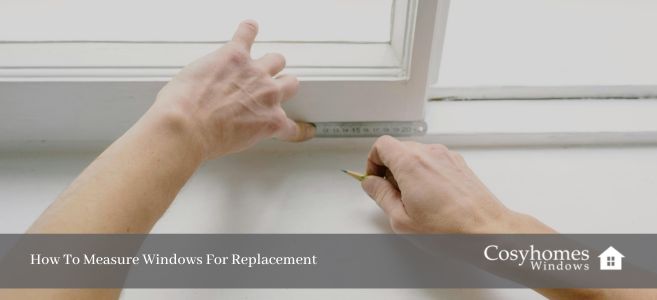
Accurate measurements for replacement windows are essential for ensuring a proper fit, as this will affect insulation, security, and overall performance. When deciding to replace windows, consider factors such as the age of the windows, visible damage, and energy efficiency.

Old windows or those with cracks and leaks often lead to higher energy costs and reduced comfort, making window replacement a beneficial investment. Read on to find out how to size replacement windows.

When Is It Time To Replace Your Windows?

There are some common signs to look for to indicate when it is time to replace your windows. These include:

  1. Drafts: If you feel a noticeable draft near your windows even when they are closed, this indicates poor sealing or gaps. Your existing windows are not energy efficient and can lead to heat loss in winter and heat gain in summer.
  2. Condensation: Persistent condensation or fogging between the panes of double or triple-glazed windows suggests that the seals have failed and moisture has filtered through, compromising the insulating properties.
  3. Difficulty Opening/Closing: Windows that are difficult to open or close or that don’t stay open can be a sign of warping, rusting, or other structural issues.
  4. Visible Damage: Cracks, chips, or warping in the window frames or glass not only diminish the window’s effectiveness but can also pose safety risks.
  5. Outside Noise: Increased noise from outside may indicate that your windows are no longer providing adequate noise insulation, which can be due to ageing or poor installation.

If you notice any or several of these issues with your windows, it’s time to consider replacement windows.

Tools You’ll Need

Tools that you will find useful when you measure for replacement windows are:

  • Tape Measure: For taking the window’s height, depth, and width measurements.
  • Level: To ensure the window frame is straight, and measurements are taken correctly.
  • Pencil and Paper: To write down window measurements and notes for reference, as well as organise and track measurements and details.
  • Ladder (if needed): To reach higher windows.
  • Torch: To see and measure in dimly lit areas.
  • Camera or Smartphone: To take photos for reference and ensure all details are documented visually.

Taking Measurements: A Step-by-Step Guide

Here is our guide for taking replacement window measurements:

Measure the Opening (Exterior Preferred):

Measuring the window opening from the exterior is more accurate as it reflects the true size needed for a proper fit. Here’s how to do it:

  1. Width Measurement:
  • Take three measurements: top, middle, and bottom of the window opening.
  • Record the smallest measurement to ensure the window fits snugly.
  1. Height Measurement:
  • Measure the height at three points: left, centre, and right side of the window opening.
  • Again, use the smallest measurement for ordering.
  1. Diagonal Measurement (Optional but recommended):
  • Measure both diagonals to ensure the opening is square. Significant discrepancies may indicate a need for additional adjustments.

Conclusion

To ensure correct measurements for new or replacement windows, it’s important to take each measurement more than once to ensure that new windows will fit perfectly. If you are unsure or don’t feel confident doing this yourself, contact a professional installer who can assist you.

For professional help, trust Cosyhomes Windows. Visit our website for expert assistance.

How To Correctly Measure Window Hinges

18

Mar
2024
Posted By : Rachel Bownds 0 Comment
how to correctly measure window hinges
Categories :Windows
Tags :  

Knowing how to measure window hinges is important when making replacements, installing, or performing a maintenance check.

In this article, we examine how to identify the different types of window hinges, the tools required to measure them, and how to avoid common measuring mistakes.

Understanding Window Hinges

Window hinges vary depending on the length of the hinge, the type of window and the material used. Common types include standard hinges for traditional windows, double-glazed hinges for windows with double panes, and UPVC hinges for UPVC windows. It’s important to ensure that you match the correct hinge type for replacement due to:

  • Compatibility: Different hinges are designed for specific window materials and styles, ensuring proper fit and function.
  • Functionality: Each hinge type is designed to provide optimal performance, ensuring smooth operation and proper sealing.
  • Energy Efficiency: Using the right hinge maintains insulation properties, contributing to energy efficiency.
  • Safety and Security: Properly matched hinges enhance window stability and security, preventing potential vulnerabilities.

Tools Required for Measuring Hinges

When replacing window hinges, you will need several tools for accurate window hinge measurements. These include:

  • Tape Measure: Essential for measuring hinge dimensions and screw hole spacing accurately.
  • Screwdriver: Used to remove existing hinges and facilitate measurement and replacement.
  • Pencil or Marker: Helps mark measurement points on window frame and hinges for alignment.
  • Level: Ensures proper alignment of window frame and hinges during measurement.
  • Paper and Pen: Record measurements and notes for reference during installation.

These tools work together to ensure precise measurements, which are crucial for successful hinge replacement or installation.

How to Measure Window Hinges

Follow our step-by-step guide on how to measure window hinges accurately:

1. Identify Hinge Type and Gather Tools:

  • Identify the hinge type and window frame material.
  • Have your tape measure, screwdriver, pencil, level, and paper to write on to hand.

2. Remove Existing Hinges (if needed):

  • Use a screwdriver to carefully remove existing hinges, noting orientation.

3. Measure Hinge Length, Width, and Screw Hole Spacing:

  • Use a tape measure to determine dimensions and screw hole spacing.
  • Measure from outer edges and record measurements.

4. Assess Offset and Stack Height (if applicable):

  • Note any offset or stack height for hinge operation.

5. Record Measurements and Consider Frame Compatibility:

  • Record measurements and frame thickness.
  • Ensure compatibility for replacement hinges.

6. Double-Check Measurements and Align (if necessary):

  • Double-check all measurements and alignment.
  • Use a level for proper alignment if installing new hinges.

Following these steps will ensure accurate measurements for successful window hinge replacement or installation. Adjust techniques for different hinge sizes and frame types as needed.

If you are still unsure after reading this guide or have attempted an unsuccessful replacement, don’t hesitate to contact us at Cosyhomes Windows. We offer a range of window repairs and servicing and can advise you on the best course of action.

Common Mistakes to Avoid When Measuring Window Hinges

Some common mistakes can be easily avoided when it comes to measuring window hinges, including:

  • inaccurate measurement technique
  • incorrect identification of hinge type
  • failure to account for frame compatibility
  • neglecting to note screw hole spacing
  • not recording measurements.

Conclusion

Measuring window hinges accurately is essential for seamless replacement or installation. Failure to do so will directly impact window operation, security, and energy efficiency. Overlooking precise dimensions and alignment can lead to operational issues and compromised performance.

If in doubt, it is always best to consult experienced professionals and we are happy to provide further assistance.